
Skin Analysis Equipment for Clinics: What to Evaluate Before You Buy
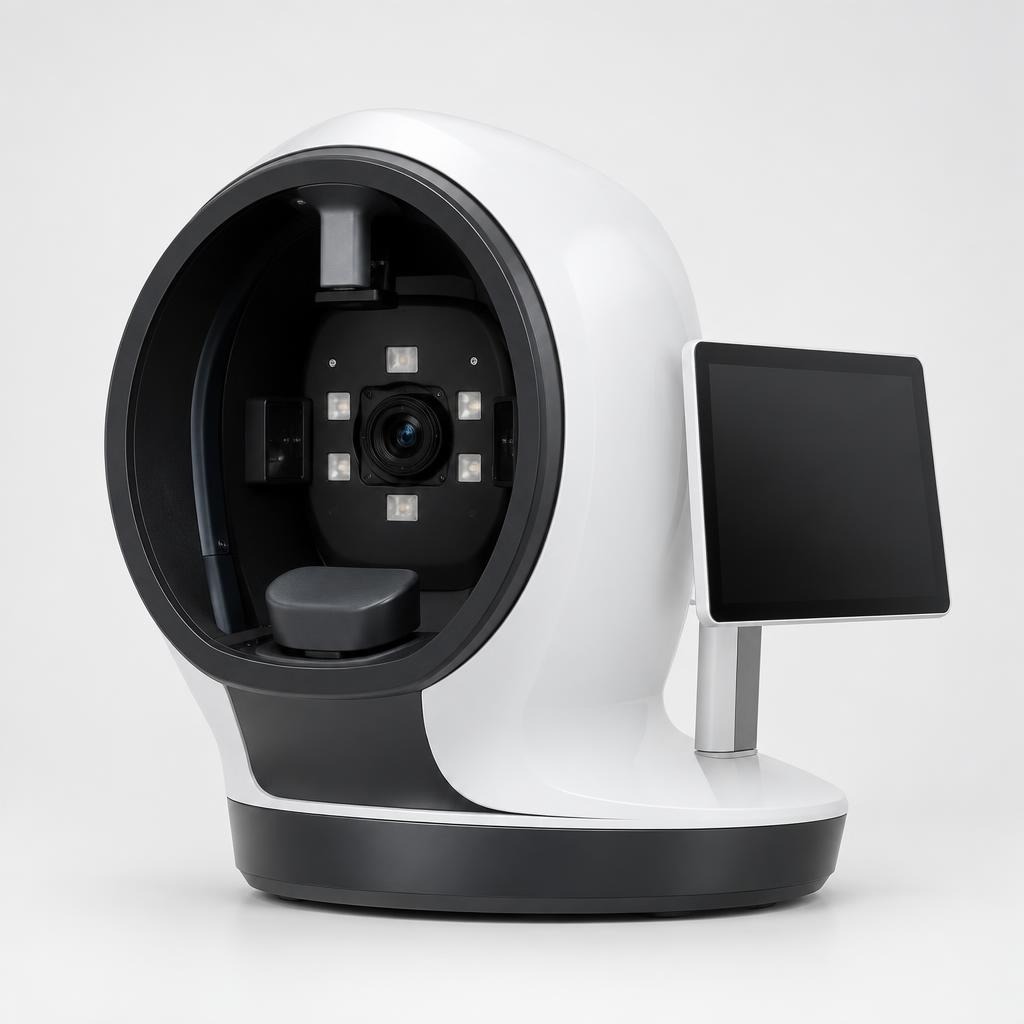
Skin analysis equipment has shifted from a novelty to a baseline expectation in aesthetic and dermatology clinics. Where practitioners once relied on visual inspection and a magnifying lamp, a modern analyzer captures standardized images under multiple light spectrums and translates them into measurable data on pigmentation, pores, texture, sebum, and other concerns. That data anchors the consultation, supports treatment planning, and gives clients objective before-and-after records. For a clinic shopping for its first system—or upgrading an older one—the challenge is less about finding a device and more about matching a specific device to the way the clinic actually works.
What a Skin Analyzer Does in a Clinical Setting
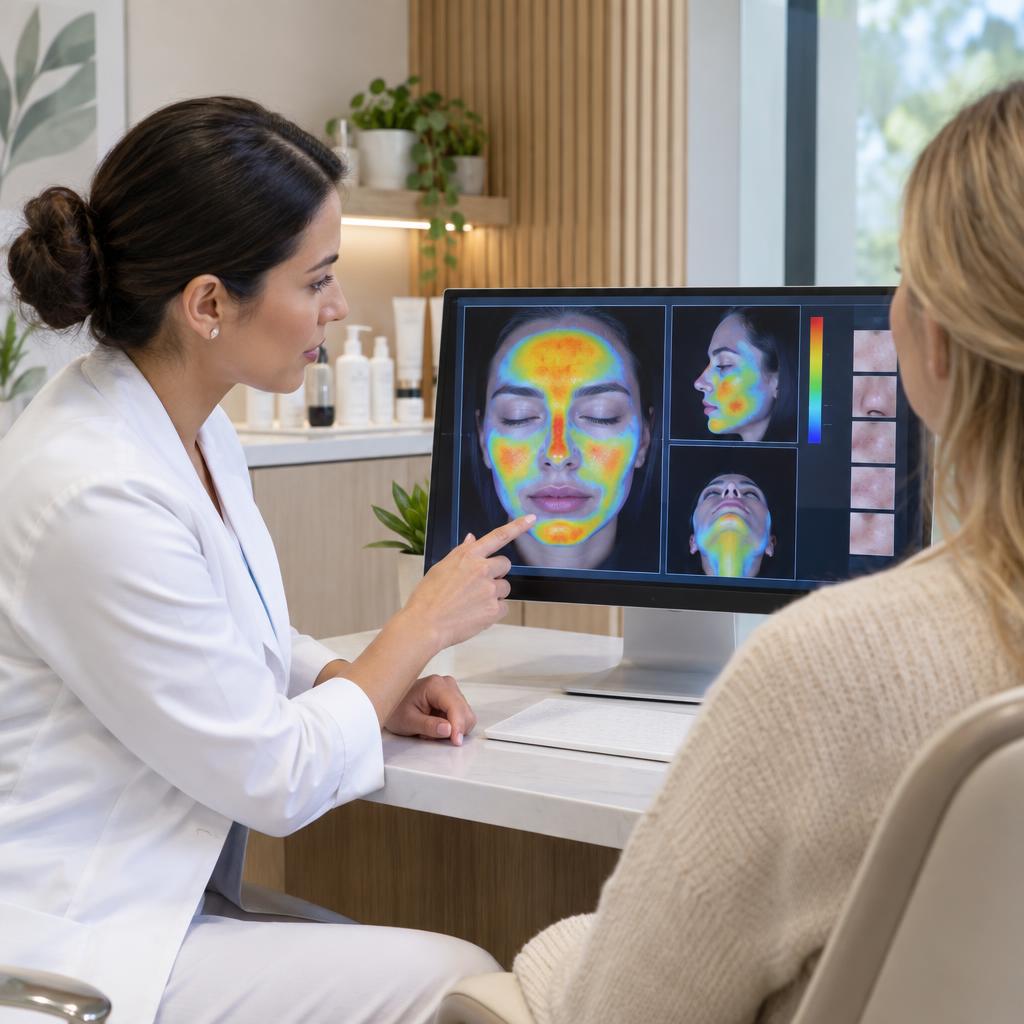
Most professional analyzers share a common workflow: the client’s face is positioned against a resting pad, images are captured in a single session under several light modes, and software segments those images into zones and concern categories. Visible-light imaging documents surface conditions such as texture and redness, while additional spectrums reveal subsurface pigmentation, sebum distribution, or UV-related changes that are difficult to judge by eye.
AI-assisted systems take this further by classifying each concern against a reference database and producing a scored report. Two things separate a clinical-grade analyzer from a consumer gadget: consistency of the capture environment, with controlled lighting and positioning, and the diagnostic depth of the software. Both deserve as much attention as the camera hardware itself.
Coverage also varies by scope. Devices such as the SK-X5-Pro AI Skin Analyzer extend beyond facial imaging to scalp detection and microscopic imaging, which matters for clinics that also run hair and scalp programs or want to show clients magnified detail during consultations. A facial-only system is not less capable—it is simply built for a narrower set of services.
Specifications That Actually Affect Daily Use
Spec sheets can be noisy. Four items have a direct, daily impact on how a clinic uses the machine:
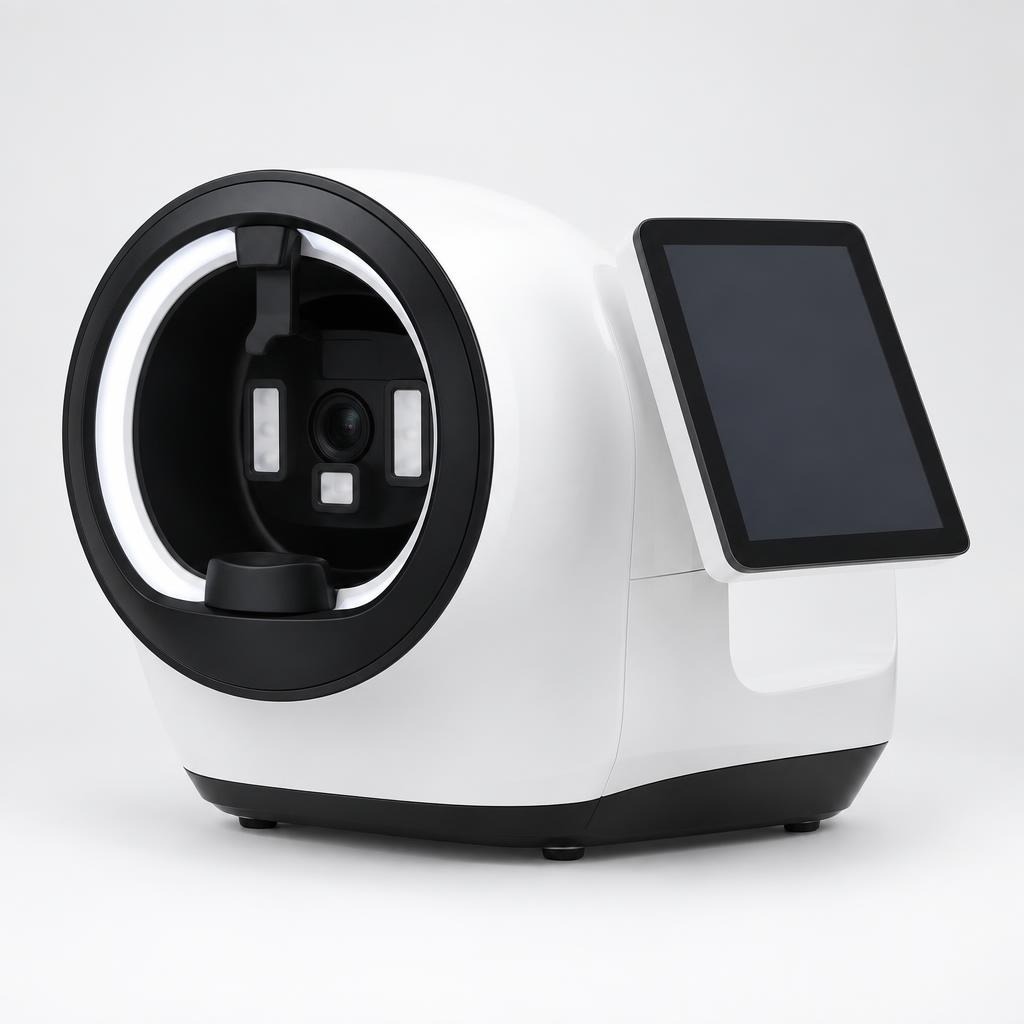
- Imaging modes. Multi-spectrum coverage determines which concerns can be assessed objectively. A device like the SK-M17 AI Skin Analyzer is built around multi-spectrum imaging for professional skin analysis, which covers the core facial concerns most skincare and aesthetic clinics handle.
- Display and reporting. An integrated monitor lets the practitioner walk the client through results on the spot rather than routing the session through a separate computer. This shortens the consultation and makes the data part of the conversation.
- Intended environment. Manufacturers specify use environments for a reason. Systems designed for beauty clinics, spas, and skincare centers assume regular, repeat operation by trained staff—matching the device to your setting avoids both overbuying and underbuying.
- Throughput. Capture speed and report generation affect how many consultations per day the device can realistically support without creating friction at the front desk.
Price positions these trade-offs clearly. In the current market, the SK-M17 sits at $998 as a focused multi-spectrum facial analysis unit, while the SK-X5-Pro at $1,698 adds scalp detection, microscopic imaging, and an integrated monitor. The difference between the two buys diagnostic breadth, not basic quality—both are positioned for professional use in salons, spas, clinics, and aesthetic centers.
Matching the Analyzer to Your Service Menu
The most reliable way to narrow the field is to map diagnostic capabilities against the services the clinic sells today:
- A skincare clinic focused on facials, pigmentation, and anti-aging typically needs strong facial multi-spectrum imaging and can treat scalp or microscopic functions as optional.
- A clinic with a hair-restoration or scalp-care line should prioritize scalp detection, since documenting treatment progress is part of that service’s credibility.
- A practice that sells corrective treatment packages benefits from microscopic imaging, because showing clients the skin at high magnification reinforces the case for a full treatment course.
- A high-volume operation should weight throughput and report clarity more heavily, since consultation time per client is shorter.
Staff workflow is the other half of the match. A system that produces clear, client-readable reports reduces the training burden and keeps consultations consistent across practitioners. A more powerful device in the hands of a team that uses only half its functions delivers no advantage over a simpler unit the whole team operates confidently.
How to Make the Final Call
A sound decision usually comes down to a short checklist applied honestly:
- List the services you sell now and expect to add within a year. Each diagnostic capability you pay for should map to at least one of them.
- Fix a budget range before comparing models and treat features outside that range as irrelevant rather than tempting.
- Confirm the imaging modes cover the concerns you diagnose most often. Spectrum coverage you never analyze is cost without return.
- Check the physical fit: footprint, display arrangement, and where consultations happen in your space.
- Verify the intended use environment matches yours, since a device designed for a different operating pattern will feel wrong in daily use regardless of its specification sheet.
If a clinic works through this list and finds that scalp and microscopic imaging have no service line attached to them, a focused facial multi-spectrum unit is the more rational purchase. If scalp programs or magnified consultation visuals are part of the plan, the broader-capability system will justify its higher price. The right analyzer is the one whose capabilities line up with the clinic’s own menu—not the one with the longest feature list.