
6 in 1 Cavitation Machine: Functions, Mechanisms and Buying Criteria
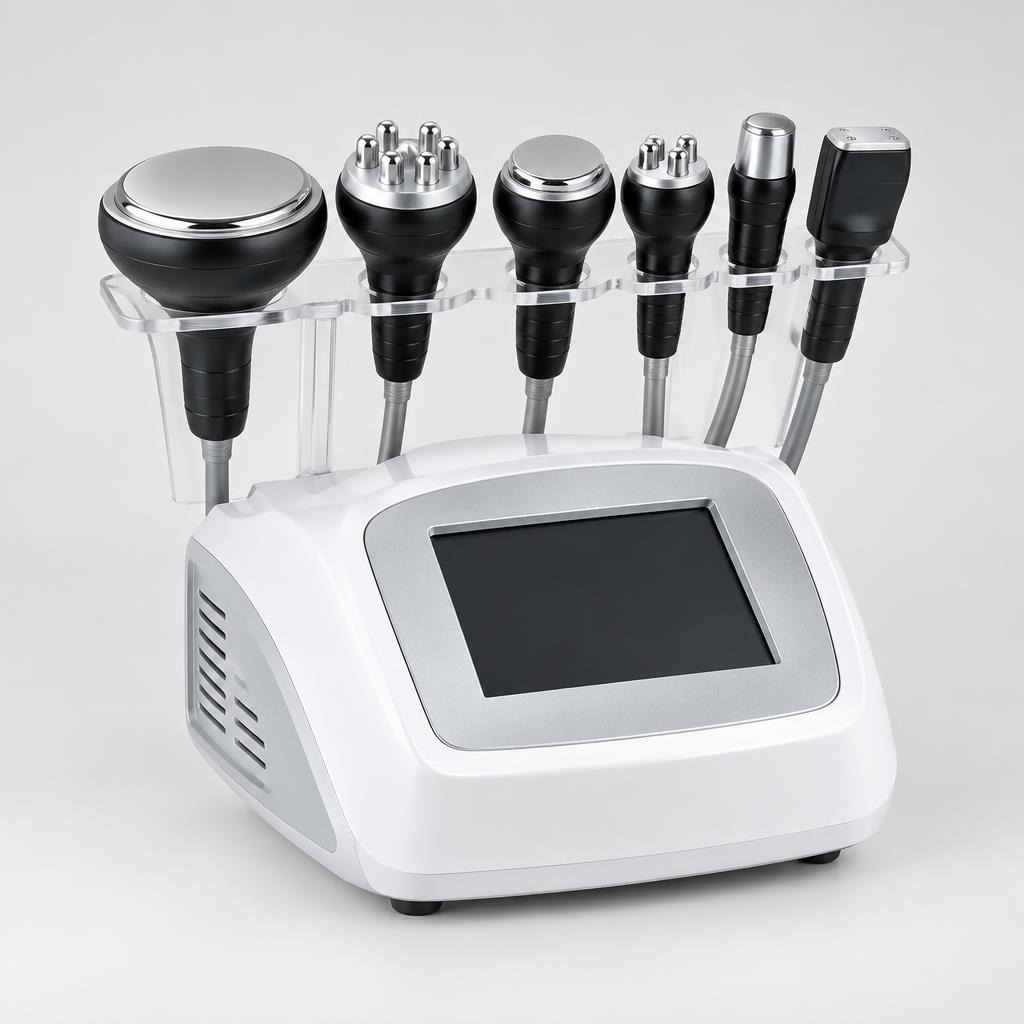
A 6 in 1 cavitation machine is a single console that houses multiple body and facial treatment technologies — typically ultrasonic cavitation, several radio frequency (RF) handles and vacuum suction — so one device can cover body contouring, skin tightening and facial care appointments. The format has become one of the most common choices for salons and small clinics adding non-invasive body services, because it promises a full treatment menu without buying six separate units.
The catch is that the “6 in 1” label describes a count, not a standard. Two machines with the same number on the box can contain very different sets of handles, and the actual treatment outcomes depend far more on which technologies are inside and how they are implemented than on the number itself. This article breaks down what the six functions usually are, how each one works, and what to verify before committing to a purchase.
What the six functions usually are
Most 6 in 1 cavitation machines on the market draw from the same pool of technologies, combined in slightly different ways:
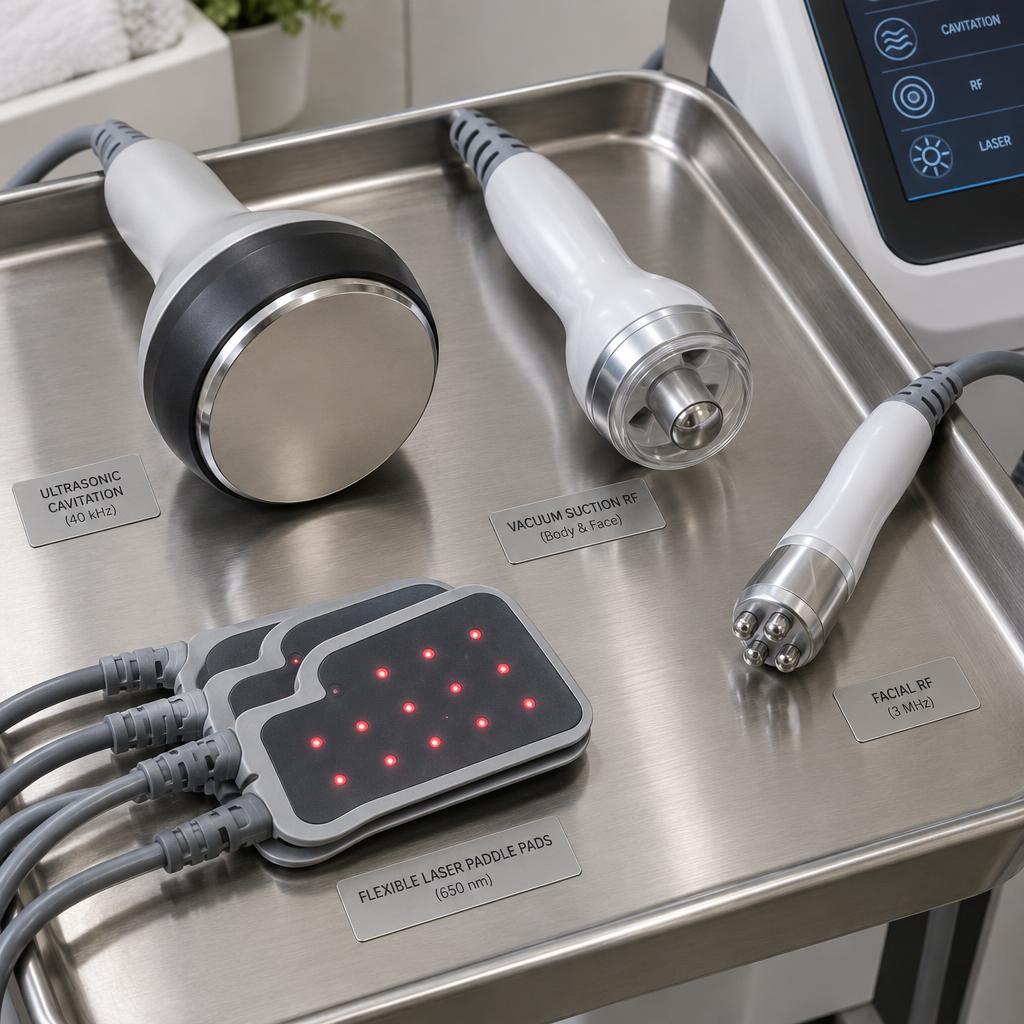
- Ultrasonic cavitation — a flat-head handle that delivers low-frequency ultrasound to adipose tissue, used on localized fat areas such as the abdomen, flanks, thighs and arms.
- Multipolar body RF — a larger electrode head that heats the dermis and subcutaneous layer to tighten skin and support contouring results.
- Vacuum RF — a suction handle that combines negative pressure with RF, improving contact on curved areas and supporting lymphatic drainage.
- Facial RF (bipolar or tripolar) — a small head for delicate areas such as the face and neck, working on fine lines and skin firmness.
- Lipo laser pads — flexible paddles that emit low-level laser energy onto the treatment area, often used alongside cavitation sessions.
- A finishing function — this slot varies most between models: a cold hammer for soothing heated skin, microcurrent for facial muscle tone, or a skin scrubber handle.
Because suppliers count functions differently — some count six handles, others count six modes spread across fewer handles — the first thing to request is a handle-by-handle list of what each one actually does. That list, not the number on the listing page, is the real specification of the machine.
How the core technologies actually work
Ultrasonic cavitation
Cavitation handles operate at low ultrasound frequencies, generally in the tens of kilohertz. At these frequencies, pressure oscillations in the tissue cause microscopic bubbles in the fluid between fat cells to form and collapse, a process associated with disrupting adipocyte membranes so their contents can be processed by the lymphatic system over the following days. For readers who want a deeper treatment of the subject, this technical overview of the physics and physiology of advanced body contouring covers the underlying mechanisms in detail.
Radio frequency
RF handles pass alternating current through the tissue between electrodes, heating the dermis and the upper subcutaneous layer. Sustained heating in the right range stimulates collagen contraction and remodeling, which is why RF is the standard technology for non-invasive skin tightening. The depth and character of that heating depend on electrode configuration and frequency: combo-machine RF handles are designed for versatility, while dedicated systems such as a 448 kHz deep RF machine are engineered around a single frequency for more intense deep-tissue heating in clinic settings.
Vacuum and mechanical stimulation
The vacuum handle serves two purposes. Physically, suction pulls tissue up against the electrode surface, stabilizing contact so RF energy deposits more evenly on curved areas. Functionally, the negative pressure and gliding motion are used to support lymphatic drainage after cavitation sessions. Some studios extend this work with dedicated mechanical tools — micro-vibration rolling machines are one example — used between treatments to keep drainage moving.
What a 6 in 1 machine can and cannot replace
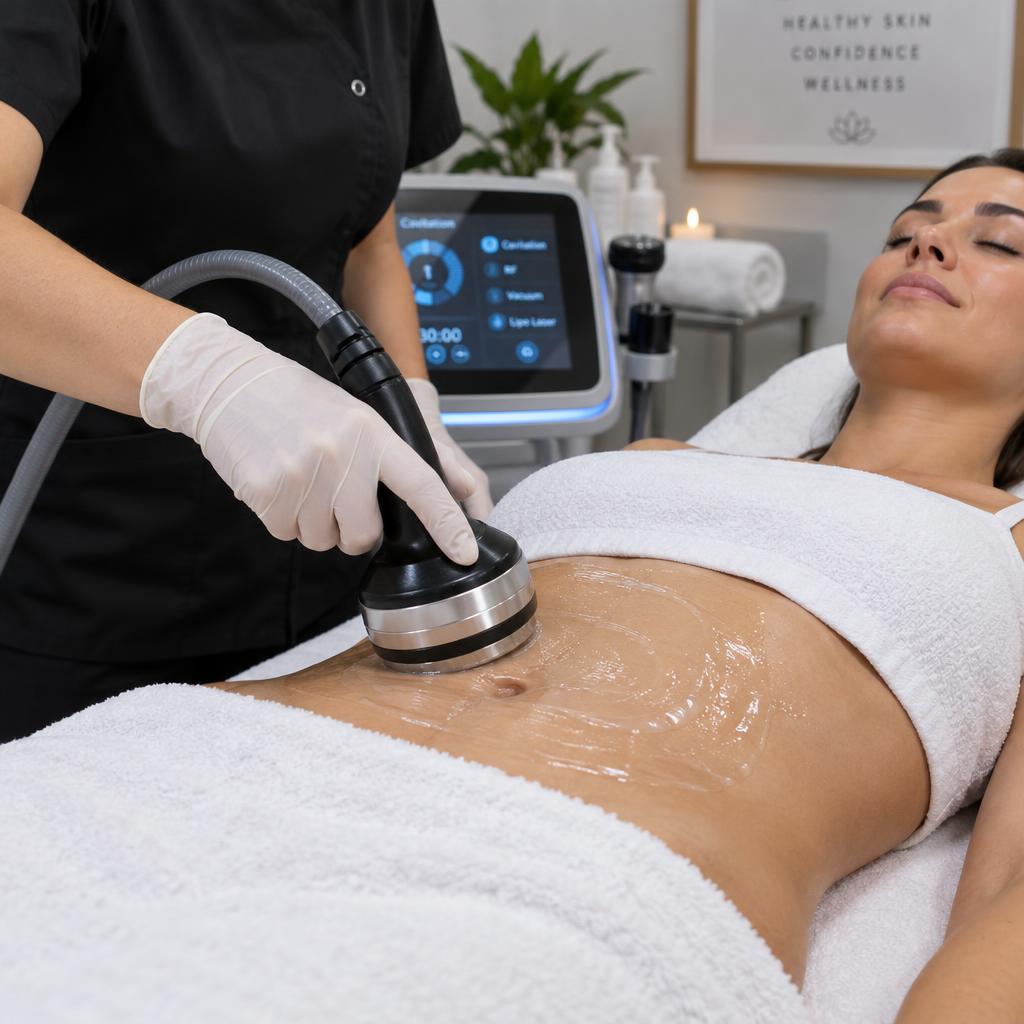
A well-built 6 in 1 machine gives a small salon genuine treatment breadth: cavitation for localized fat, body RF for tightening, and facial RF for clients who want face and body addressed in one visit. For a studio seeing a moderate volume of body clients, that breadth usually outweighs the compromises.
The compromise is output. A handle shared across a six-function console generally cannot match the power, duty cycle or refinement of a dedicated single-technology machine. High-volume clinics that build their service around one modality — for example, RF-based body tightening as the core offering — often end up pairing a combo machine with one or two dedicated devices rather than replacing them entirely.
What to verify before you buy
Comparing models is mostly an exercise in checking stated details rather than impressions:
- The exact handle list and what each handle does, confirmed in writing.
- The stated ultrasound frequency of the cavitation head and the RF frequency of each RF handle, not just marketing names.
- Handpiece build quality: cooling method, expected continuous-run time, and whether handles can be replaced individually.
- Consumables and spares: which parts wear out, their cost, and their availability after purchase.
- Training and documentation: treatment protocols, contraindication lists, and parameter guidance for each handle.
- Compliance with the regulations of the market where the machine will be used.
As a decision framework: choose a 6 in 1 machine when your business needs a wide, low-to-medium-intensity body and facial menu and client volume does not justify dedicated hardware for each modality; choose dedicated machines when one technology is the core of your service and treatment volume demands its full output; and treat any configuration that cannot clearly document its handle list, frequencies and operating parameters as a risk regardless of price. The right choice is the one that matches the treatments you will actually offer, at the intensity your clients will actually need.